Elephant Ear Leaf: A Fresh, Vibrant Embroidery Design
As an experienced designer and embroidery product reviewer, I'm always on the lookout for designs that can elevate a project. The Elephant Ear Leaf embroidery design caught my eye with its lush, natural appeal. Let's dive into how this design performs in real-life embroidery situations.
First Impressions: A Breath of Fresh Air
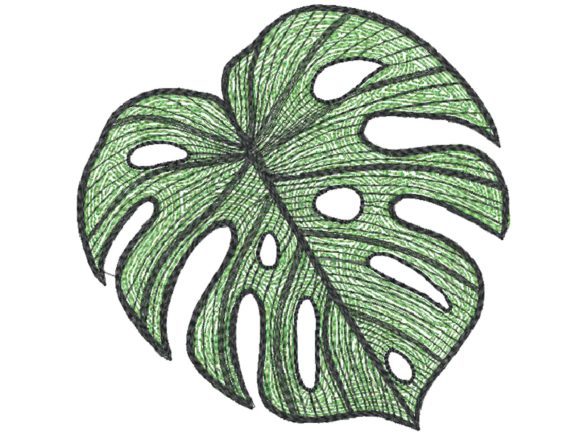
The Elephant Ear Leaf design exudes a fresh, vibrant look, making it perfect for adding a touch of nature to any fabric. The leaf's bold, organic shape and intricate details create a lively, yet sophisticated mood. This design is ideal for projects where you want to bring a bit of the outdoors inside, such as custom embroidered tote bags, pillow covers, or tea towels.
Real-World Performance: From Tote Bags to Nursery Decor
When considering the Elephant Ear Leaf for real embroidery work, it shines in a variety of applications. For instance, I recently used it on a custom tote bag. The design stitched beautifully, with the satin stitch outlining the leaf and the fill stitch giving it a rich, textured appearance. The result was a high-quality, visually appealing product that received many compliments.
- Tote Bag Design: The Elephant Ear Leaf adds a stylish, natural element, making it a standout choice for eco-friendly, handmade products.
- Sweatshirt Embroidery: On a sweatshirt, the design brings a fresh, modern look, perfect for casual wear or as a personalized gift.
- Baby Embroidery: For baby items like onesies or blankets, the Elephant Ear Leaf provides a gentle, soothing touch, ideal for nursery decor.
Where to Use Carefully: Small Spaces and Textured Fabrics
While the Elephant Ear Leaf is versatile, there are some areas where it should be used with caution. For example, small hoop sizes may not do justice to the detailed corners and dense stitch areas. Additionally, textured fabrics, stretchy materials, and dark backgrounds can sometimes obscure the finer details. It's also important to test the design on curved surfaces like caps, as the shape may need adjustments to fit perfectly.
- Small Hoop Sizes: Test the design on scrap fabric to ensure all details are clear and visible.
- Textured Fabrics: Use a stabilizer to prevent the design from getting lost in the texture.
- Dark Fabric: Choose thread colors with good contrast to make the design stand out.
Visual Appeal and Product Value: Enhancing Handmade Products
The Elephant Ear Leaf significantly enhances the visual appeal of any project, making it a valuable addition to your embroidery portfolio. Whether you're creating a custom apparel line, personalized gifts, or boutique branding items, this design adds a professional, polished look. Customers are likely to appreciate the attention to detail and the natural, vibrant feel it brings to each piece.
Practical Designer Notes: Preparing for Success
To ensure the best results with the Elephant Ear Leaf, here are some practical tips:
- Test on Scrap Fabric: Always start by testing the design on scrap fabric to check for any issues.
- Thread Color Contrast: Review the thread color options to ensure they provide good contrast against the fabric.
- Stitch Density: Confirm the stitch density to avoid puckering or fabric distortion.
- Hoop Size: Make sure the hoop size is appropriate for the design and the fabric.
- Black and White Mockups: Test the design in black and white to see how it holds up without color.
- Fabric Backgrounds: Compare the design on both light and dark fabric backgrounds to choose the best option.
- Proper Stabilizer: Use the right stabilizer to support the fabric and maintain the design's integrity.
- Licensing: Check the licensing terms before using the design for commercial projects or selling finished items.
In conclusion, the Elephant Ear Leaf embroidery design is a versatile and visually appealing choice for a wide range of embroidery projects. With careful consideration and testing, it can add a fresh, vibrant touch to your handmade products, custom apparel, and more. Happy stitching!